POSITIVE BEHAVIOUR SUPPORT
Understanding Positive Behaviour Support.
Positive Behaviour Support helps people make sense of behaviours that might feel confusing, unsafe, overwhelming, or hard to support.
What Positive Behaviour Support actually means.
Positive Behaviour Support is a way of working with people whose behaviour is causing real difficulty in their everyday life. The starting point is always understanding: what is actually happening, when, where, and how the behaviour is helping people meet their needs.
Sometimes behaviour is connected to communication, sensory needs, pain, overwhelm, routines, relationships, environments, or a person not having another way to express what they need.
Once you understand the why, the rest of the work becomes clearer.

Who we work with
Support shaped around different lives, ages, and levels of complexity.
Positive Behaviour Support can look very different depending on the person, the environments around them, and what’s happening in their day-to-day life. Support is always tailored to the individual, not built from a one-size-fits-all model.
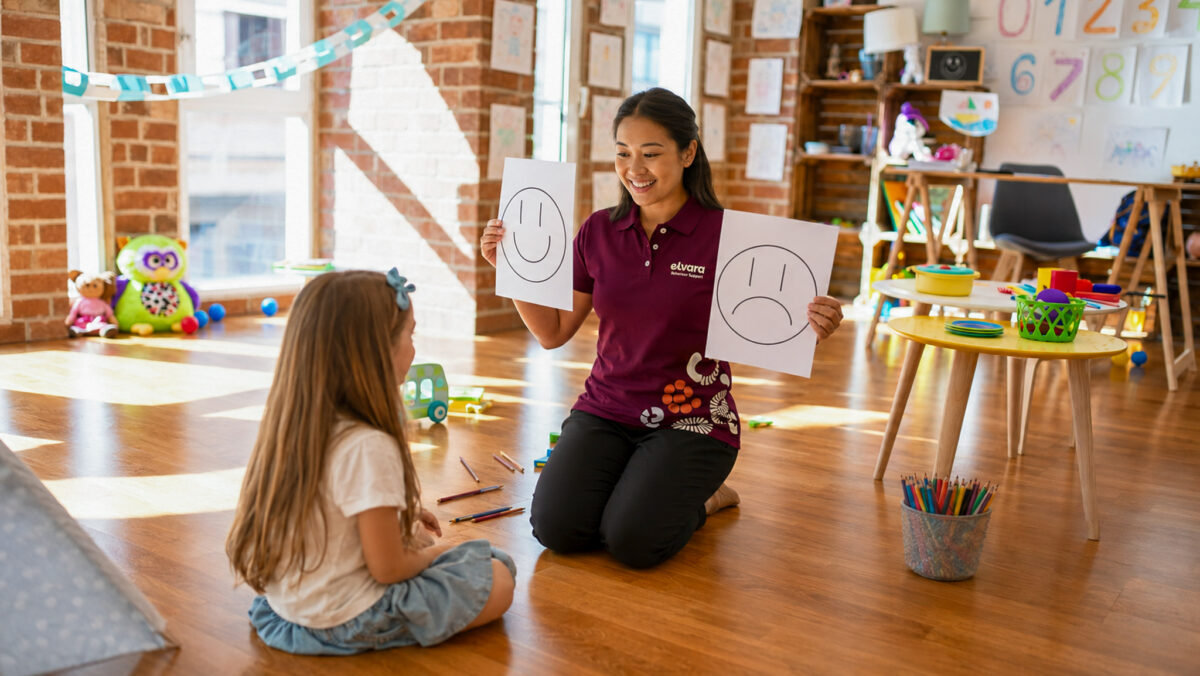
Children & adolescents.
For children of any age, from the early years through school. Most support happens at home, in the classroom, in childcare, and out in the community — because those are the places where challenges tend to happen, and where support needs to make a difference.
Families, teachers, and existing therapists are all part of the process, because children rarely change in one room without the people around them adapting too.

Adults.
For adults, support often sits across many different environments, relationships, and systems at once. That might include the home, supported accommodation, day programs, workplaces, mental health settings, or the broader support team around the person.
The focus will look different for each person. It may involve reducing risks or restrictive practices, helping support teams respond more consistently, or building communication, emotional regulation, independence and everyday living skills.
Complex cases.
Some situations require a more intensive and coordinated approach. Complex Positive Behaviour Support is designed for people with high support needs, increased risks or where there are multiple services and systems.
Our team brings together advanced clinical practice, practical supports and close collaboration with the people involved in the person’s life. This may include families, support teams, service providers, schools, hospitals, mental health services or justice systems.

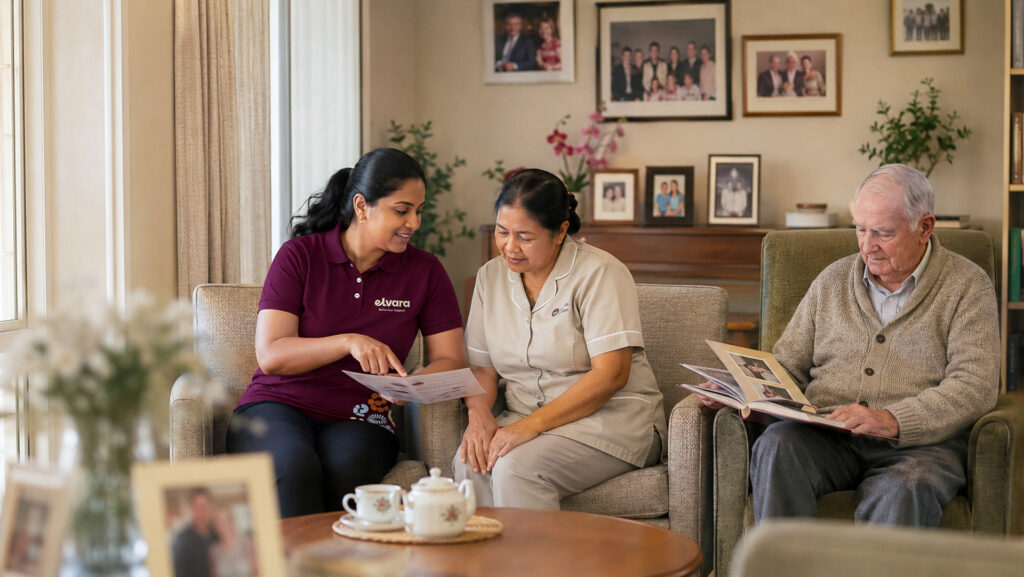
Dementia & aged care.
Behaviour changes connected to dementia, ageing, distress, communication, or changing health needs can be deeply unsettling for both the person and the people around them. Often, the environments around the person have changed too — routines, familiarity, independence, relationships, or the way care is being provided day to day.
Support focuses on understanding what may be contributing to those changes, reducing distress where possible, and helping the support team respond in ways that feel calmer, safer, and more responsive over time.
WHAT TO EXPECT
The process and approximate timeframes.
The process below gives a general guide to what support can look like. Timeframes can shift depending on urgency, funding, complexity, risk, and how many people need to be involved.
Good behaviour support takes time, especially when things have been difficult for a while. But we also understand that people usually reach out when they’re already in the thick of it.
If the situation feels urgent, please call us. While long-term support is built carefully over time, there are often immediate changes, practical strategies, or ways of responding that can help reduce pressure early on.
-
10–20 MINS
Make an enquiry or referral
Completing our referral form with as much information as possible is the best way to get started. Anyone can complete this form – it might be the participant, a family member, a support coordinator, or a referring clinician. You do not have to be a professional to reach out.
-
WITHIN 2 BUSINESS DAYS
Intake conversation
Before any clinical work begins, we have a conversation — usually by phone or video. We talk through what’s happening, who’s involved, what’s already been tried, and what people are hoping support might help with.
If things feel urgent, we talk about that early. While good behaviour support takes time to build properly, there is often immediate guidance or short-term support that can help stabilise things while the broader work begins.
-
WITHIN 4 WEEKS
Functional Behaviour Assessment
Support starts straight away. Your practitioner begins gathering information, meeting the people involved, and developing an understanding of what may be driving the behaviour.
Within the first four weeks, an Interim Behaviour Support Plan is developed. This includes practical environmental strategies, safety strategies, and immediate recommendations that families, support workers, schools, and care teams can begin using straight away.
At the same time, the Functional Behaviour Assessment process is underway and continues to develop as we learn more about the person and their needs.
-
OVER THE FIRST 6 MONTHS
Assessment and comprehensive plan
Behaviour support is built over time. As information is gathered through conversations, observations, data, and ongoing involvement with the person and their support network, the Functional Behaviour Assessment becomes more detailed and refined.
This work informs the Comprehensive Behaviour Support Plan, which is typically developed within the first six months. The plan brings together everything learned so far, including environmental supports, safety strategies, skill-building approaches, communication supports, and tailored interventions designed around the person’s unique needs.
Throughout this process, your practitioner continues working alongside the person and their support team.
-
ONGOING
Implementation, coaching, and review
A plan is only useful if the people around the person feel confident using it.
Support includes coaching, training, modelling, implementation support, and regular reviews to understand what’s working and what needs to change. As the person’s needs evolve, the strategies evolve too.
Positive Behaviour Support is rarely a document that gets written once and put on a shelf. It’s an ongoing process of learning, refining, and building supports that fit the person’s life.
What it focuses on.
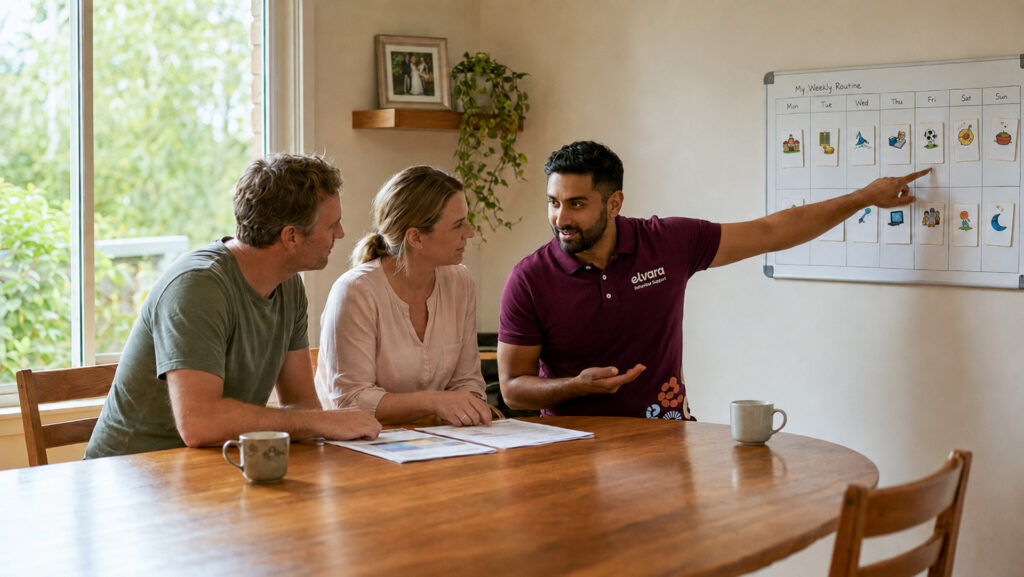
Behaviour support isn’t about simply stopping behaviour. It starts with understanding what the behaviour is communicating, then building the skills, supports and environments that help someone feel safer, more understood and better equipped to navigate everyday life.
That can include communication, regulation, choice-making, daily living skills, social connection, and creating environments that better support the person day to day. Those environments might include the home, school, supported accommodation, workplaces, relationships, routines, or community settings.
The work is collaborative and practical. It’s designed to function in real life, not just inside a report.
Get advice
Not sure where to start? A Compass Session can help.
If you’ve read this page and you’re still not sure if you have appropriate funding, or whether Positive Behaviour Support is the right next step at all, a Compass Session is the soft way in. It’s a paid one-hour conversation with a senior practitioner. You leave with a clearer view of what would help, whether that’s with us or somewhere else.
FREQUENTLY ASKED QUESTIONS
Questions we hear.
A behaviour support practitioner visits regularly. That might be at home, at school, or wherever the support needs to happen. They spend time understanding the person and the situation, write a plan together with the person and the people who support them, and then work alongside everyone to put that plan into action. It’s considered, conversational, and shaped by the person, not by a template.
Our practitioners, managers, and supervisors are all registered NDIS Behaviour Support Practitioners. Across the team, 40% hold master’s-level qualifications, 30% hold postgraduate qualifications, and the remainder hold bachelor’s degrees or equivalent professional qualifications.
Every clinician is supervised by a senior practitioner, and the team meets regularly to review work, including the more complex situations.
As things become steadier, support often evolves from reducing risk and distress to building skills, increasing participation, and working towards the things that matter most to the person.
The focus is on understanding why behaviour is happening and making practical changes that improve quality of life. That may include building skills, strengthening communication, adjusting routines, or changing aspects of the environment and support around the person.
Talking therapies and counselling serve a different purpose. They focus more on thoughts, feelings, experiences, and emotional wellbeing. In some situations, they can work alongside Positive Behaviour Support as part of a broader support team.
Your safety is a priority. We will work with you to understand what is happening, explain next steps, and help identify the most appropriate supports.
Ready to make a referral?
Completing our referral intake form is the best way to start. Ensure you have your NDIS plan handy.